

The evolution of gambling tracing its historical roots and cultural significance
The Origins of Gambling
The practice of gambling can be traced back thousands of years, with its origins rooted in ancient civilizations. Archaeological evidence suggests that the earliest forms of gambling emerged in Mesopotamia around 3000 BC, where people played games of chance using dice made from animal bones. These early activities were often tied to religious rituals, indicating that gambling served both recreational and spiritual purposes. Ancient societies viewed games of chance as a way to communicate with the gods and predict future events, making gambling a significant cultural element. For a contemporary take on this ancient practice, you can explore http://www.roospincasinoau.com, which emphasizes advanced strategies.

In ancient China, around 2000 BC, the invention of the first playing cards marked a pivotal moment in the evolution of gambling. The Chinese Emperor was known to use these cards as a means of entertainment and divination. As trade routes expanded, the popularity of these games spread across Asia, influencing various cultures. The ancient Greeks also engaged in gambling, often placing wagers on athletic competitions and other events. This cultural interplay laid the groundwork for modern gambling practices across the globe.
The Roman Empire further popularized gambling as a form of entertainment among its citizens. The Romans organized betting on gladiatorial games and other public spectacles, showcasing the social aspect of gambling that persists today. As these early forms of gambling evolved, they became intricately woven into the fabric of society, reflecting the values and beliefs of those who participated. This historical backdrop provides essential context for understanding the cultural significance of gambling that continues to shape its modern form.
The Evolution of Gambling Through the Ages
The Middle Ages saw a shift in gambling practices, particularly in Europe. The rise of card games such as “Piquet” and “Tarot” introduced new dynamics to gambling, making it more sophisticated and strategic. By the 15th century, gambling houses began to emerge, providing a structured environment for playing games of chance. The advent of these establishments marked a transition from informal street gambling to organized betting, changing the landscape of gambling forever.
The 17th and 18th centuries brought about further advancements in gambling, with the establishment of lotteries in various countries. Governments recognized the potential for revenue generation through legalized gambling, leading to the creation of state-run lotteries in England and the United States. This transition not only legitimized gambling but also intertwined it with state economies, fundamentally altering the perception of gambling in society.
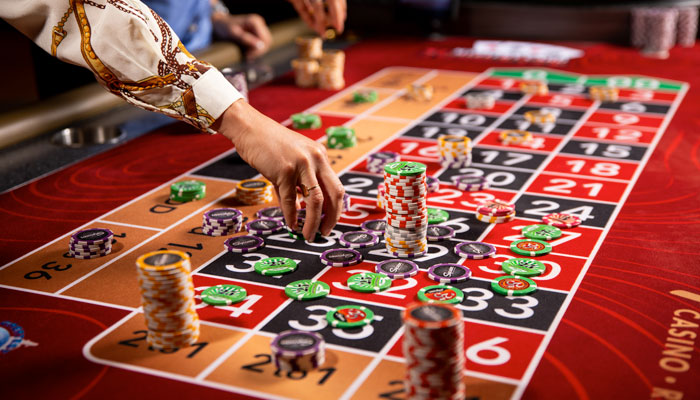
The 19th century saw the birth of the modern casino, particularly in cities like Monte Carlo and Las Vegas. These casinos transformed gambling into a glamorous and luxurious experience, attracting people from all walks of life. The design and ambiance of these establishments contributed to the allure of gambling, making it a preferred recreational activity. The development of new games, such as poker and roulette, further entrenched gambling into popular culture, as it became associated with both risk and reward.
Cultural Significance of Gambling
The cultural significance of gambling is multifaceted, reflecting societal values, norms, and beliefs. In many cultures, gambling serves as a form of entertainment, social interaction, and community bonding. Festivals and local events often incorporate games of chance, creating a shared experience that strengthens community ties. In countries like Japan, traditional gambling games such as “Pachinko” symbolize a blend of entertainment and cultural identity, showcasing how deeply embedded gambling is in social life.
Furthermore, gambling often reflects broader themes of chance, fate, and risk-taking, which resonate universally across cultures. The act of betting can be seen as a metaphor for life itself, where individuals navigate uncertainties in pursuit of rewards. Literature, art, and cinema frequently explore gambling as a theme, emphasizing its psychological and emotional dimensions. This portrayal reinforces the notion that gambling is not just a game but a complex interaction between luck and strategy.
The relationship between gambling and mental health also highlights its cultural significance. While many enjoy gambling as a form of recreation, it can also lead to addiction, prompting discussions about responsible gaming practices. Societies have developed support systems and regulations to address gambling addiction, reflecting a collective responsibility towards mental well-being. This duality of gambling as both a source of joy and potential harm underscores its profound impact on individuals and communities.
The Impact of Technology on Gambling
The evolution of gambling has been significantly influenced by technological advancements, particularly in the last few decades. The internet revolutionized how people engage with gambling, making it accessible from the comfort of their homes. Online casinos and betting platforms emerged, offering a wide array of games and betting options, breaking geographical barriers that once limited participation. This digital shift has attracted a new generation of gamblers, reshaping the gambling landscape.
Mobile technology further enhanced the accessibility of gambling, allowing users to place bets and play games on-the-go. Mobile applications have simplified the gaming experience, providing seamless transactions and engaging interfaces. This convenience has contributed to a surge in online gambling, with many players preferring the flexibility of playing from their mobile devices. The rise of live dealer games has also created a more immersive experience, blending online convenience with the social aspects of traditional gambling.
However, the rapid growth of online gambling has raised concerns about regulation and safety. Governments have had to adapt to this new landscape, implementing laws to protect consumers and ensure fair play. The integration of responsible gaming tools within online platforms has become crucial in promoting safe gambling practices. As technology continues to advance, its impact on gambling will likely grow, necessitating ongoing discussions about ethics and regulation in this evolving industry.
RooSpins Casino and Its Role in Modern Gambling
RooSpins Casino Australia stands at the forefront of the modern gambling experience, catering specifically to the Australian market. With a vast library of over 3,000 games, including popular pokies and table games, it provides a comprehensive online gambling environment. The casino embraces technological advancements, offering an engaging platform that prioritizes player experience while ensuring safety and security through robust encryption methods.
New players at RooSpins Casino are welcomed with generous bonuses, allowing them to explore the extensive range of games without financial hesitation. The site also features a rewards program that enhances player loyalty through various incentives, promoting a sense of community among users. As gambling continues to evolve, platforms like RooSpins are crucial in shaping the future of online gaming, bridging the gap between traditional gambling and modern technological innovations.
Moreover, RooSpins emphasizes responsible gaming, implementing tools and resources to help players maintain control over their gambling habits. By prioritizing user safety, RooSpins Casino contributes to a healthier gambling environment, setting a standard for the industry. As gambling evolves, the role of such platforms will be pivotal in ensuring that the cultural significance of gambling continues to thrive while also addressing modern challenges.